Sediment
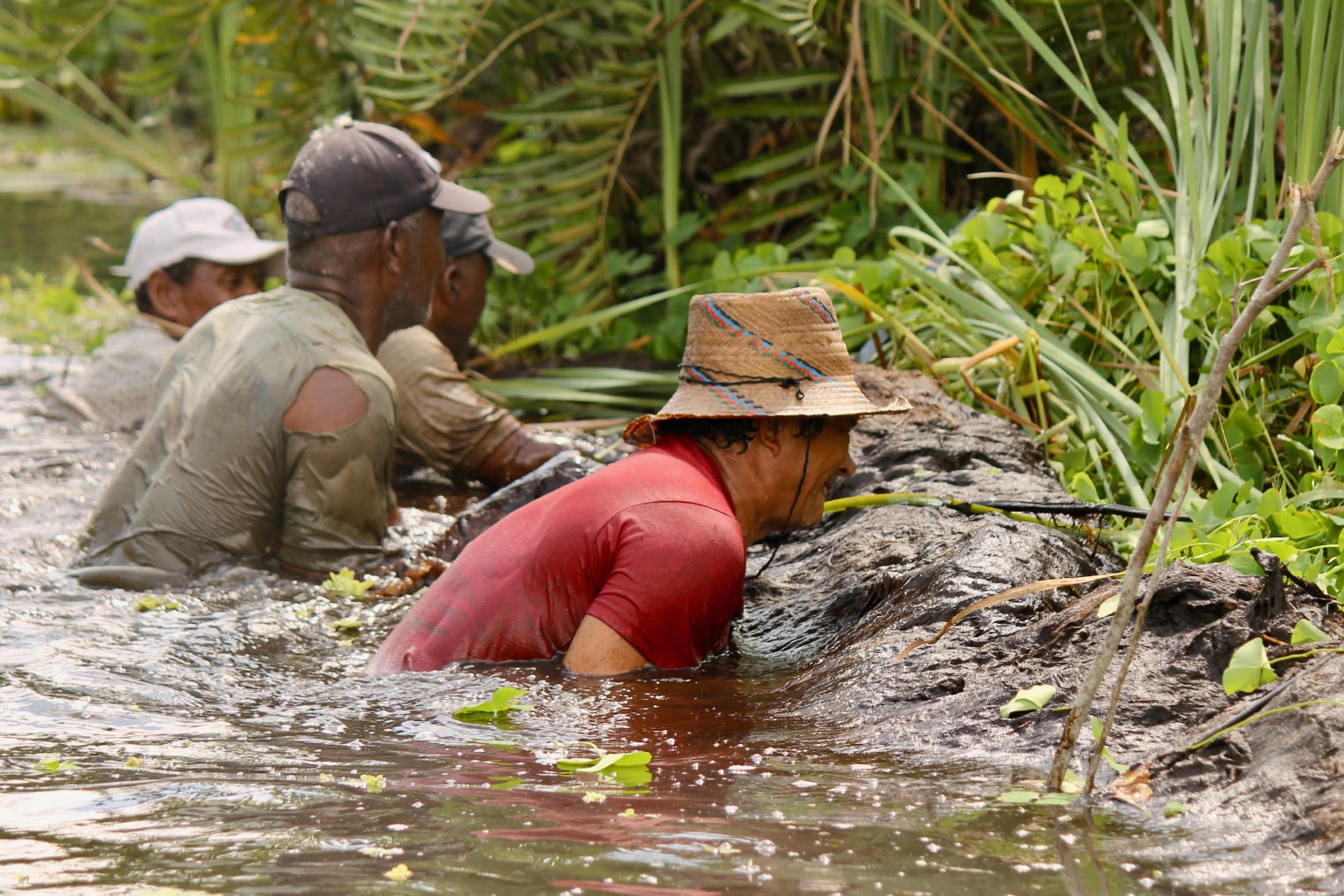
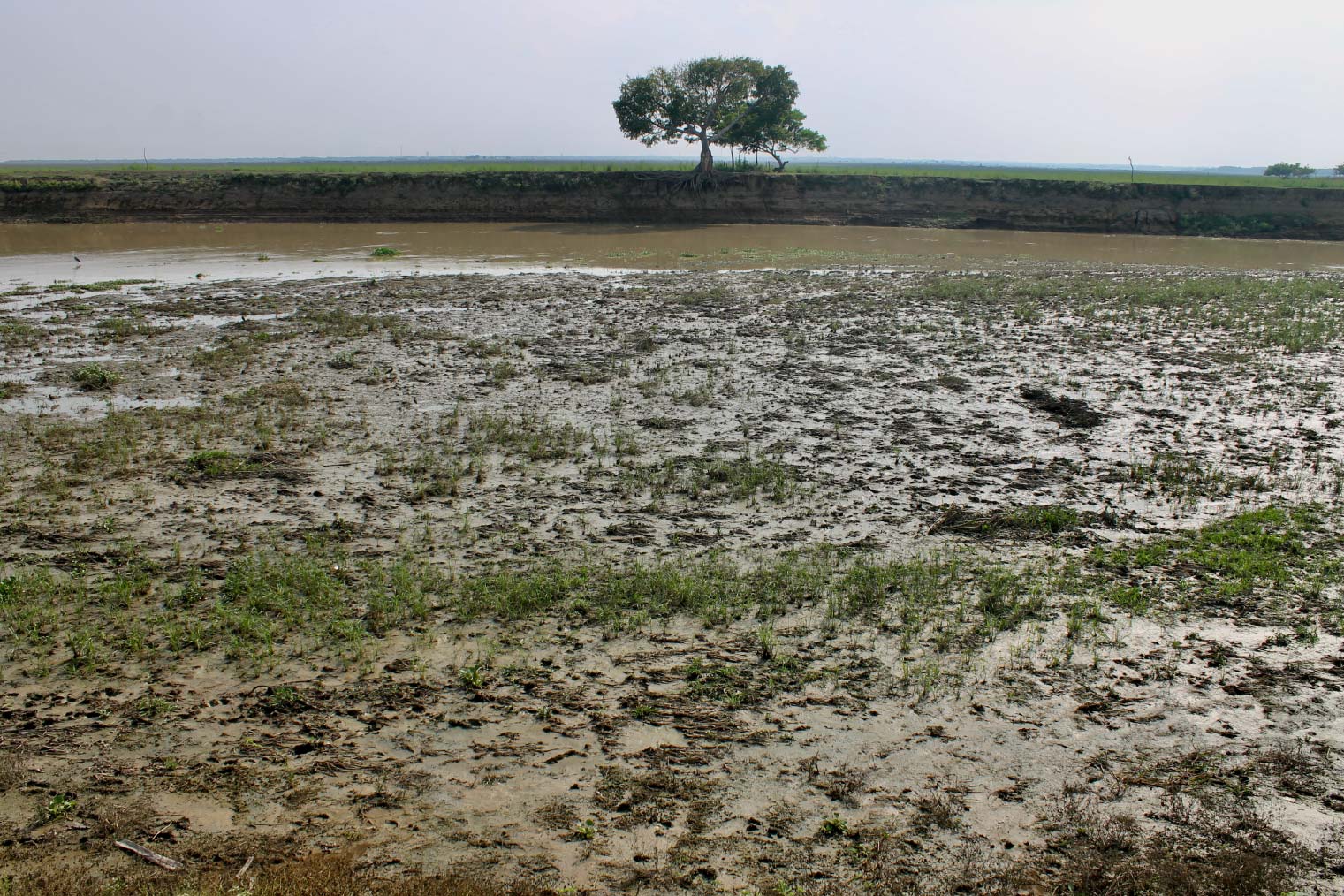
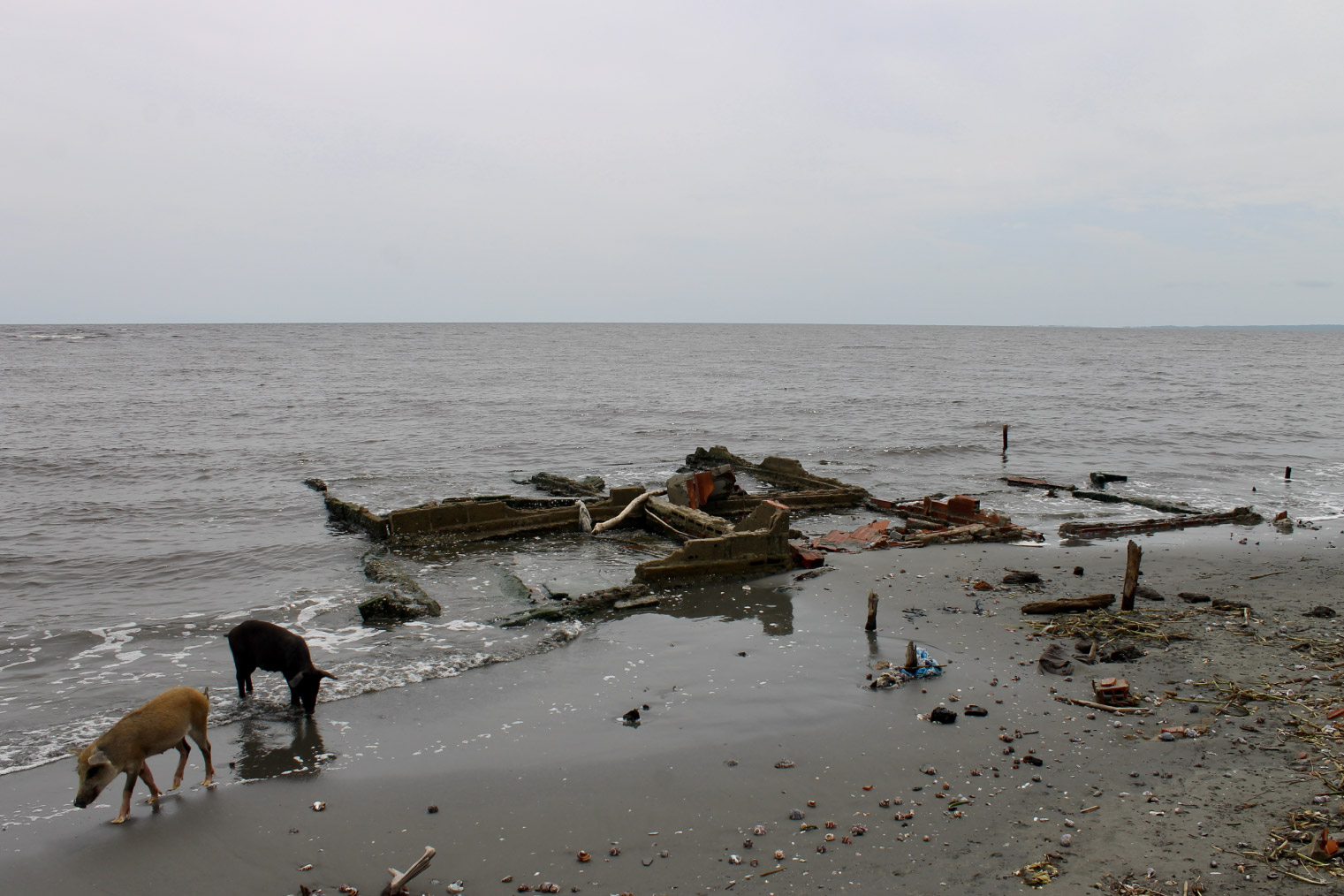
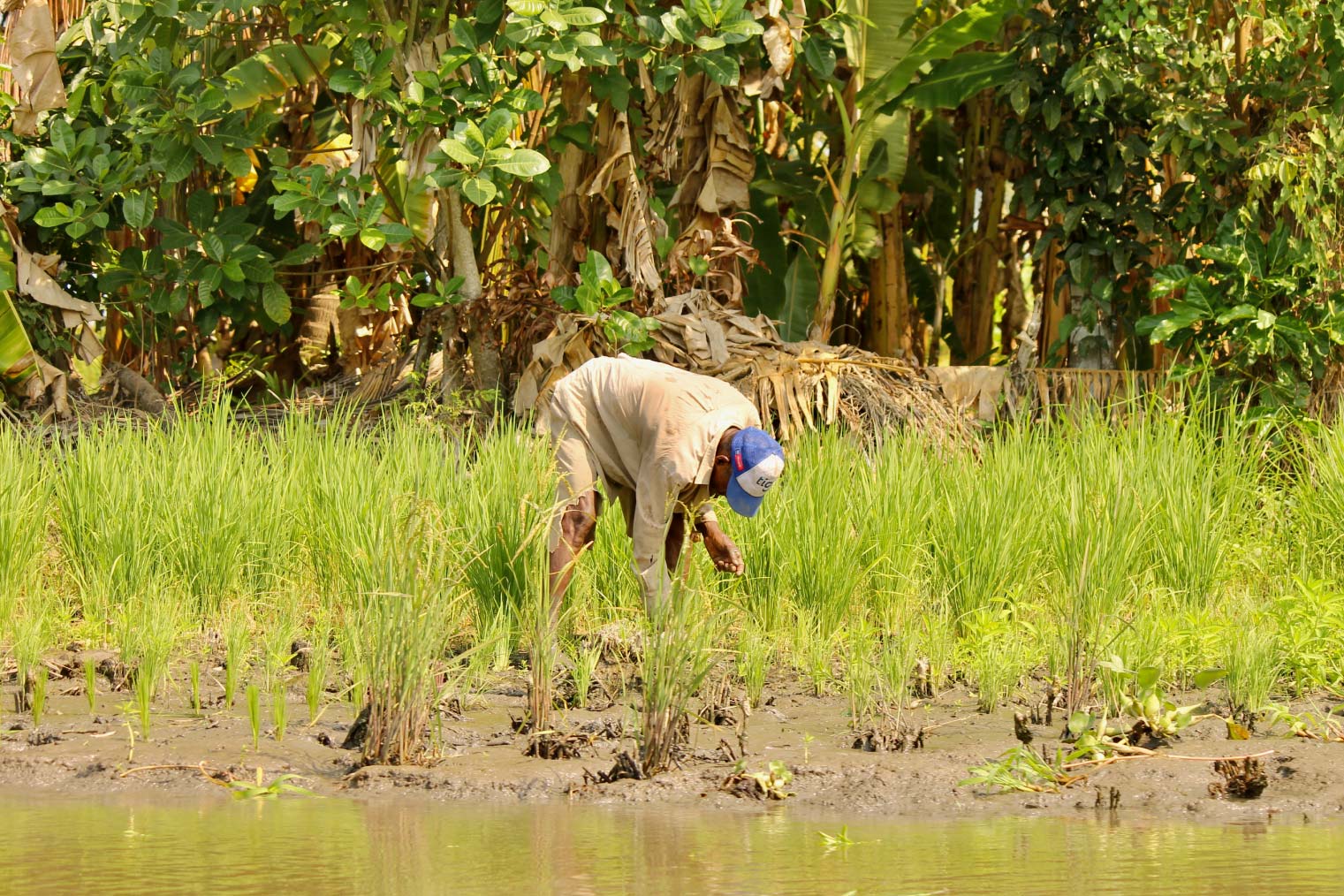
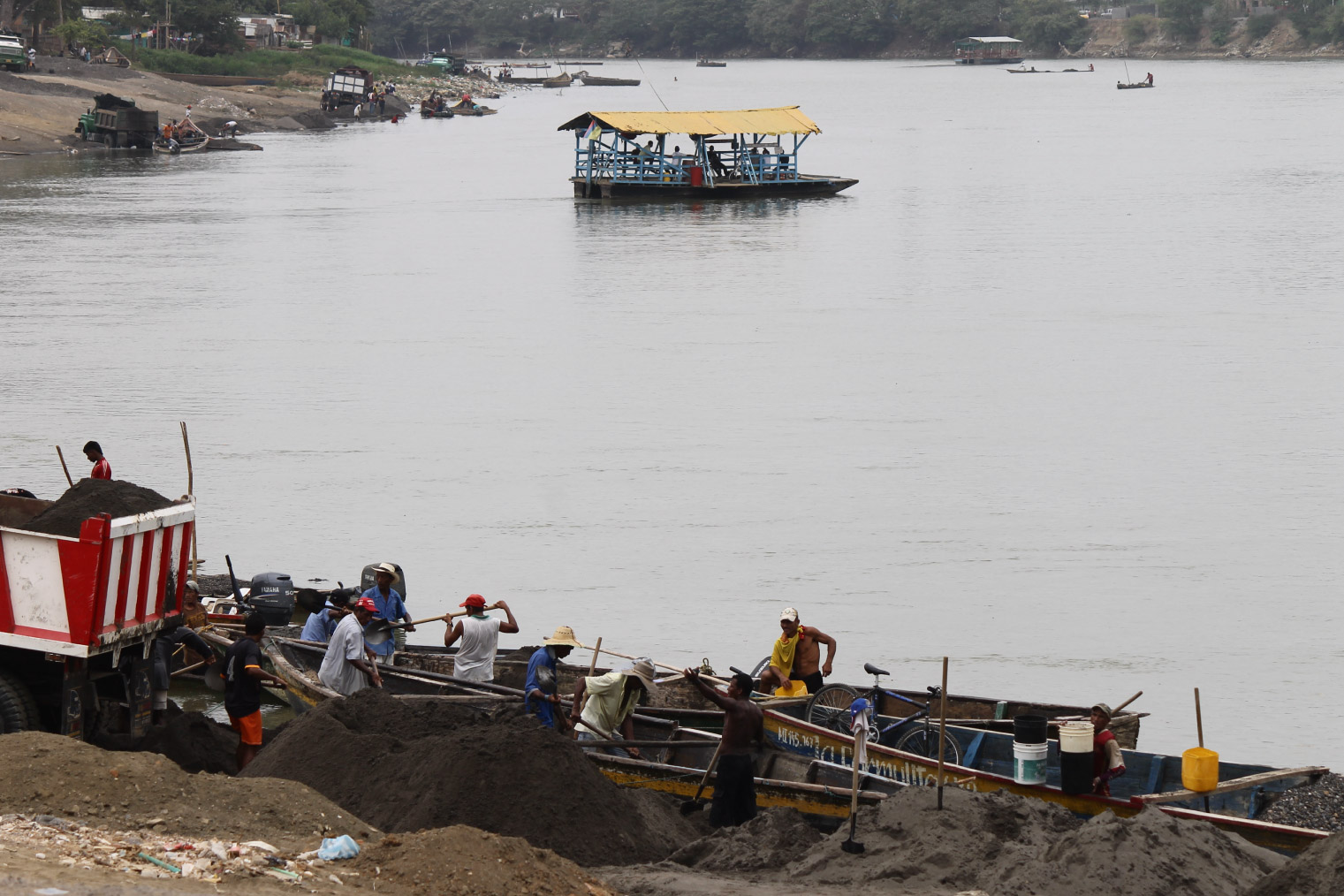
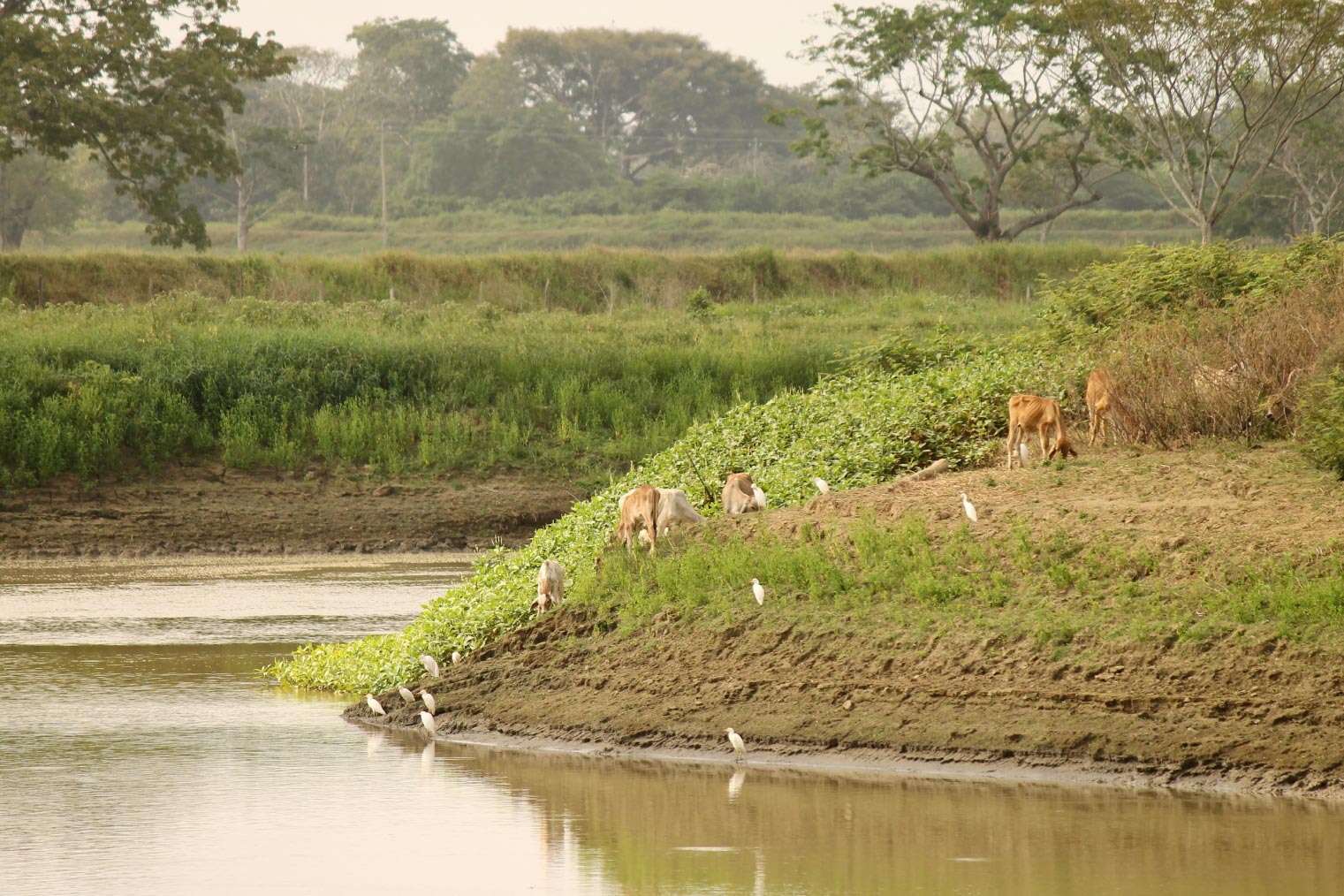
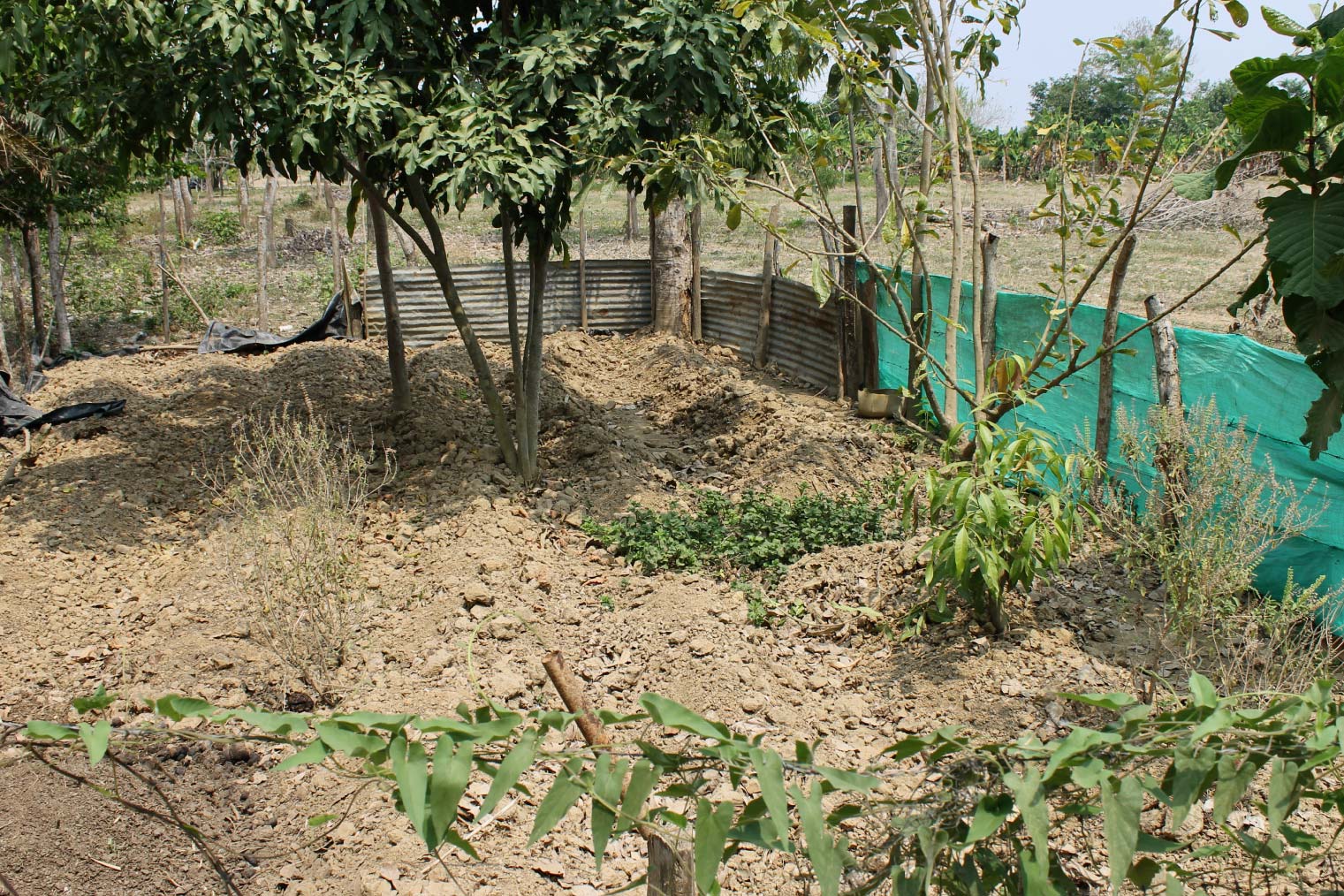
Rivers are usually seen, rather simplistically, as streams of water flowing into the ocean. However, at least in the tropical world, rivers are also streams of sediment. In its interaction with water, sediment travels, moves, accumulates, disintegrates while it transforms the shape of rivers and the landscape more broadly. These biophysical processes also have a social life. For fluvial communities, the accumulation, excess, or scarcity of sediment may impose significant changes in agriculture, fishing, and navigation. In the era of the Anthropocene, sediment became one of those elements whose place in global environmental change helps to explain the scale and intensity of our current crisis. The proliferation of dams worldwide, for instance, increasingly limits the flow of sediment towards the ocean. This phenomenon is directly related to the sinking of deltas and, in consequence, the sinking and flooding of cities and other human settlements. In our era, sediment also became a commodity which is extracted, transported, and deposited around the world through market circuits. Concerning this phenomenon, I explore the social life of sediment as a way to fathom how the study of sedimented lives and landscapes help us understand current environmental crises.
Sediment
Rivers are usually seen, rather simplistically, as streams of water flowing into the ocean. However, at least in the tropical world, rivers are also streams of sediment. In its interaction with water, sediment travels, moves, accumulates, disintegrates while it transforms the shape of rivers and the landscape more broadly. These biophysical processes also have a social life. For fluvial communities, the accumulation, excess, or scarcity of sediment may impose significant changes in agriculture, fishing, and navigation. In the era of the Anthropocene, sediment became one of those elements whose place in global environmental change helps to explain the scale and intensity of our current crisis. The proliferation of dams worldwide, for instance, increasingly limits the flow of sediment towards the ocean. This phenomenon is directly related to the sinking of deltas and, in consequence, the sinking and flooding of cities and other human settlements. In our era, sediment also became a commodity which is extracted, transported, and deposited around the world through market circuits. Concerning this phenomenon, I explore the social life of sediment as a way to fathom how the study of sedimented lives and landscapes help us understand current environmental crises and injustices.
publications
Camargo, A. (2017). Land born of water: Property, stasis, and motion in the floodplains of northern Colombia. Geoforum.
View publication
publications
Camargo, A. (2017). Land born of water: Property, stasis, and motion in the floodplains of northern Colombia. Geoforum.