Wet lands
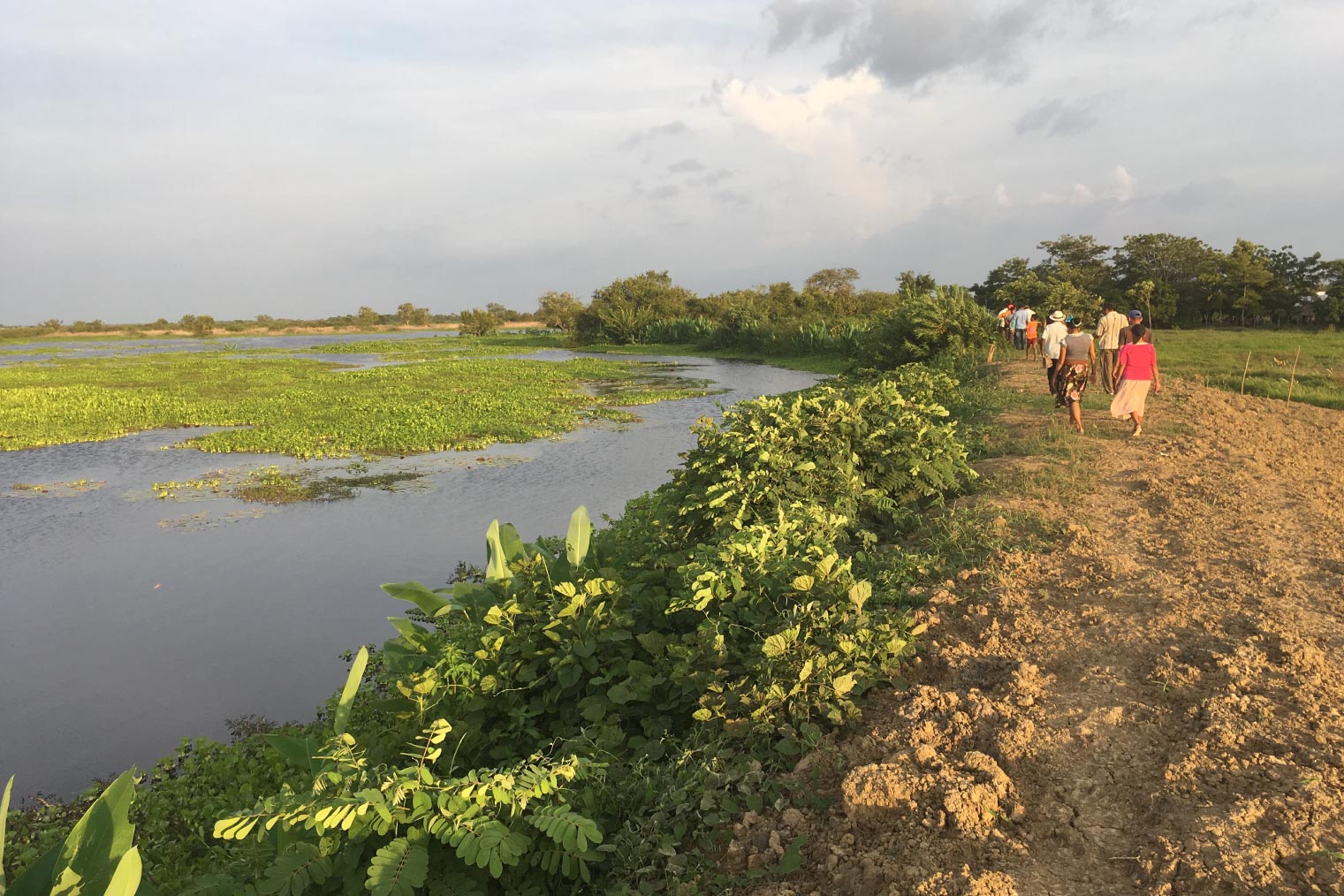
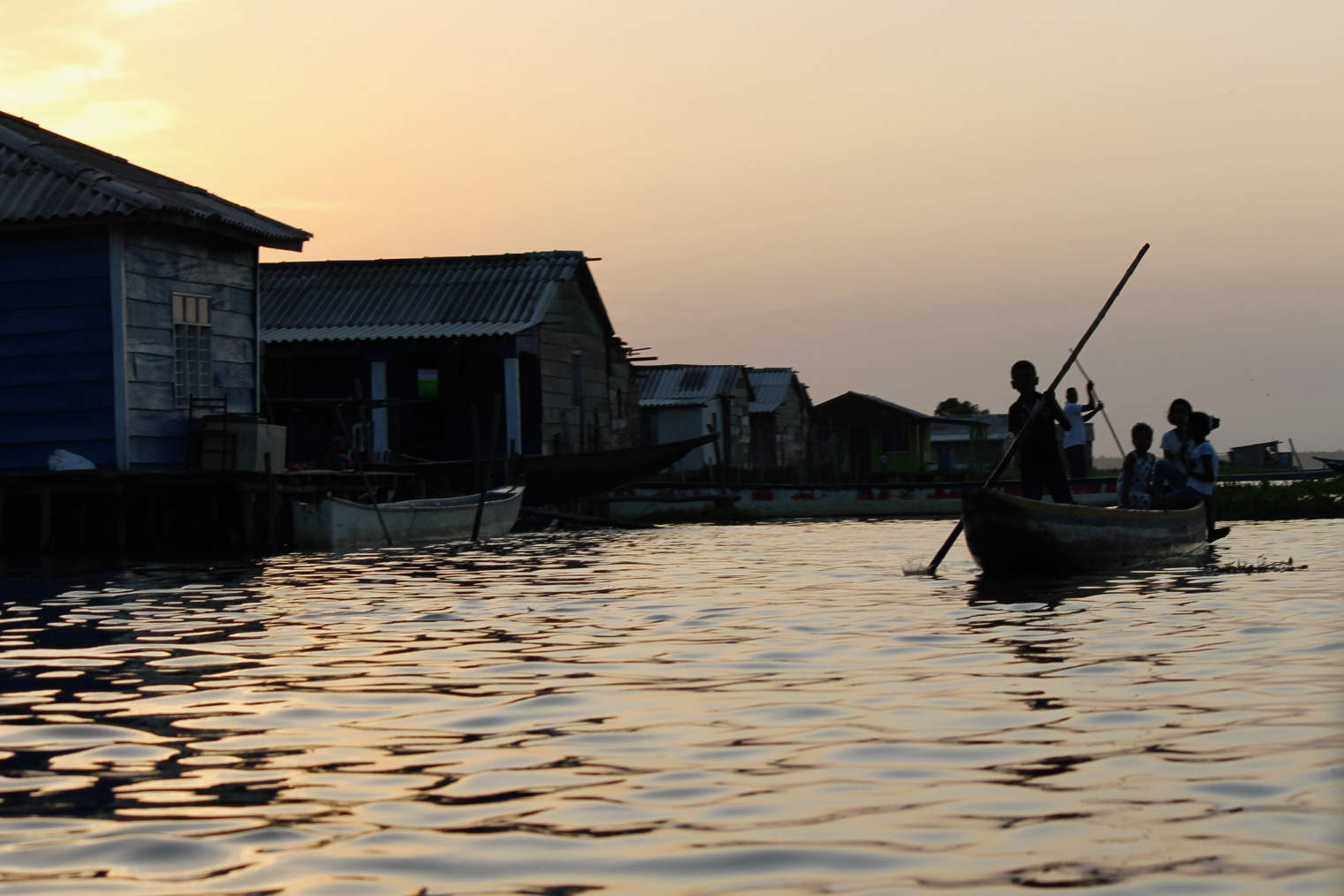
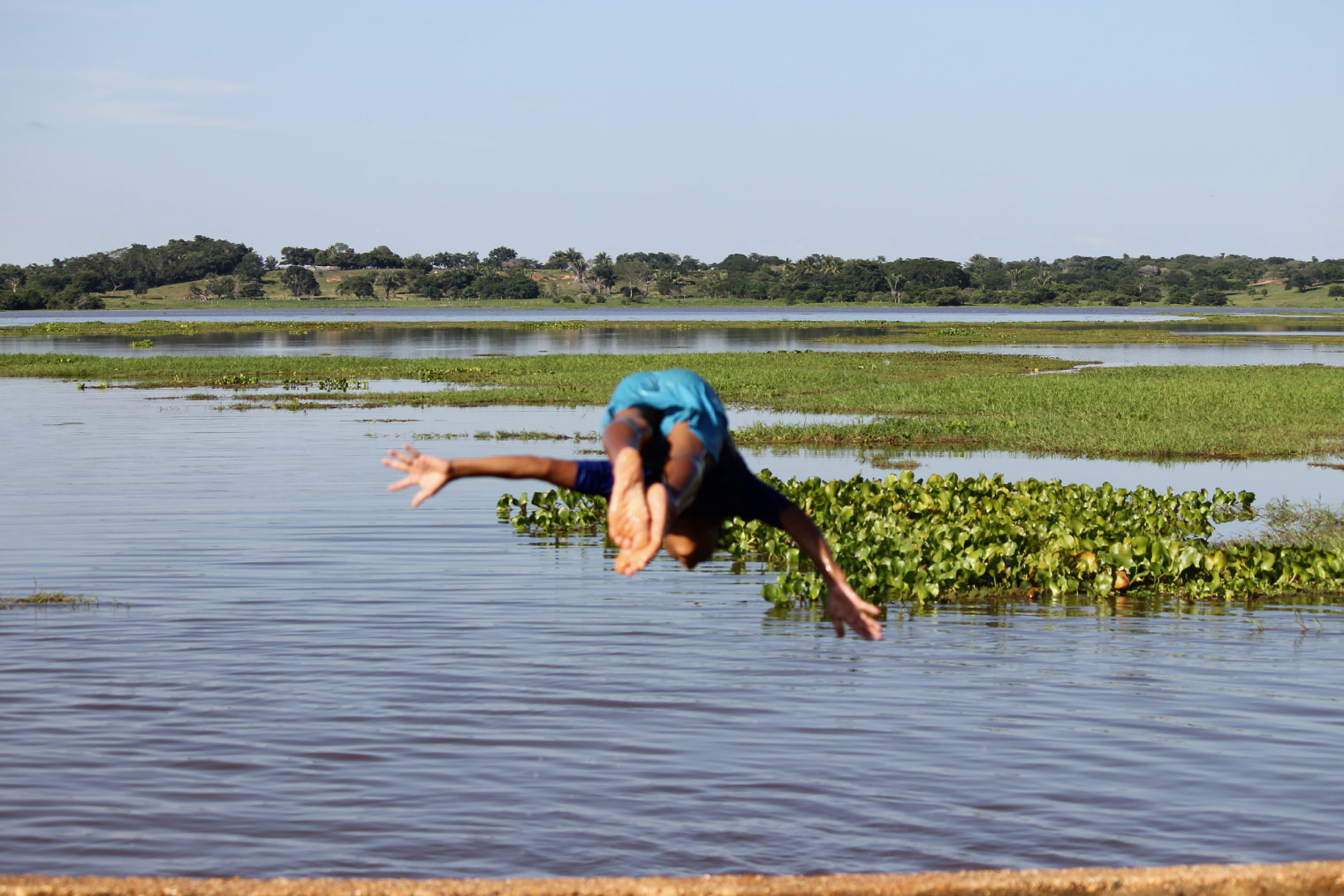
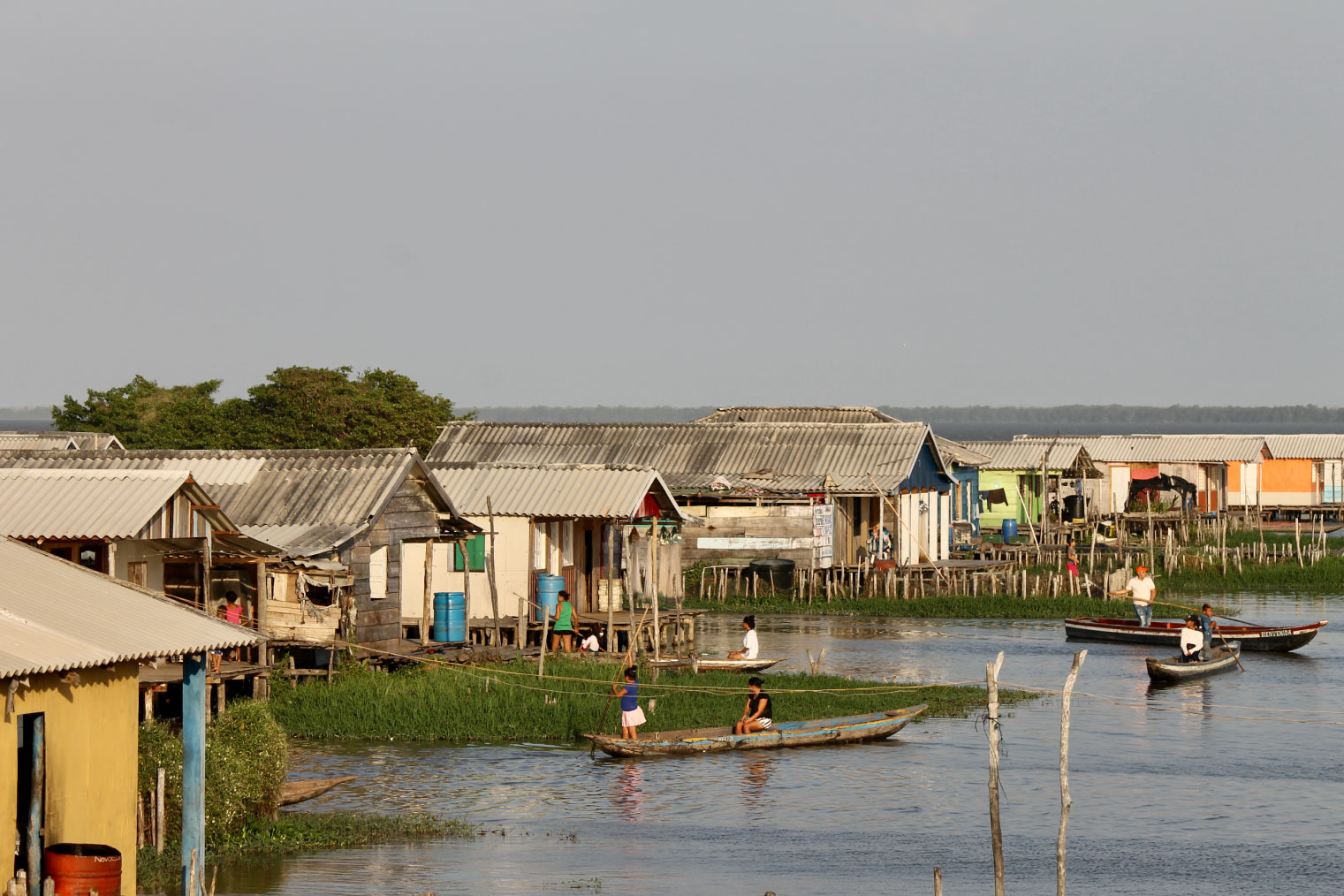
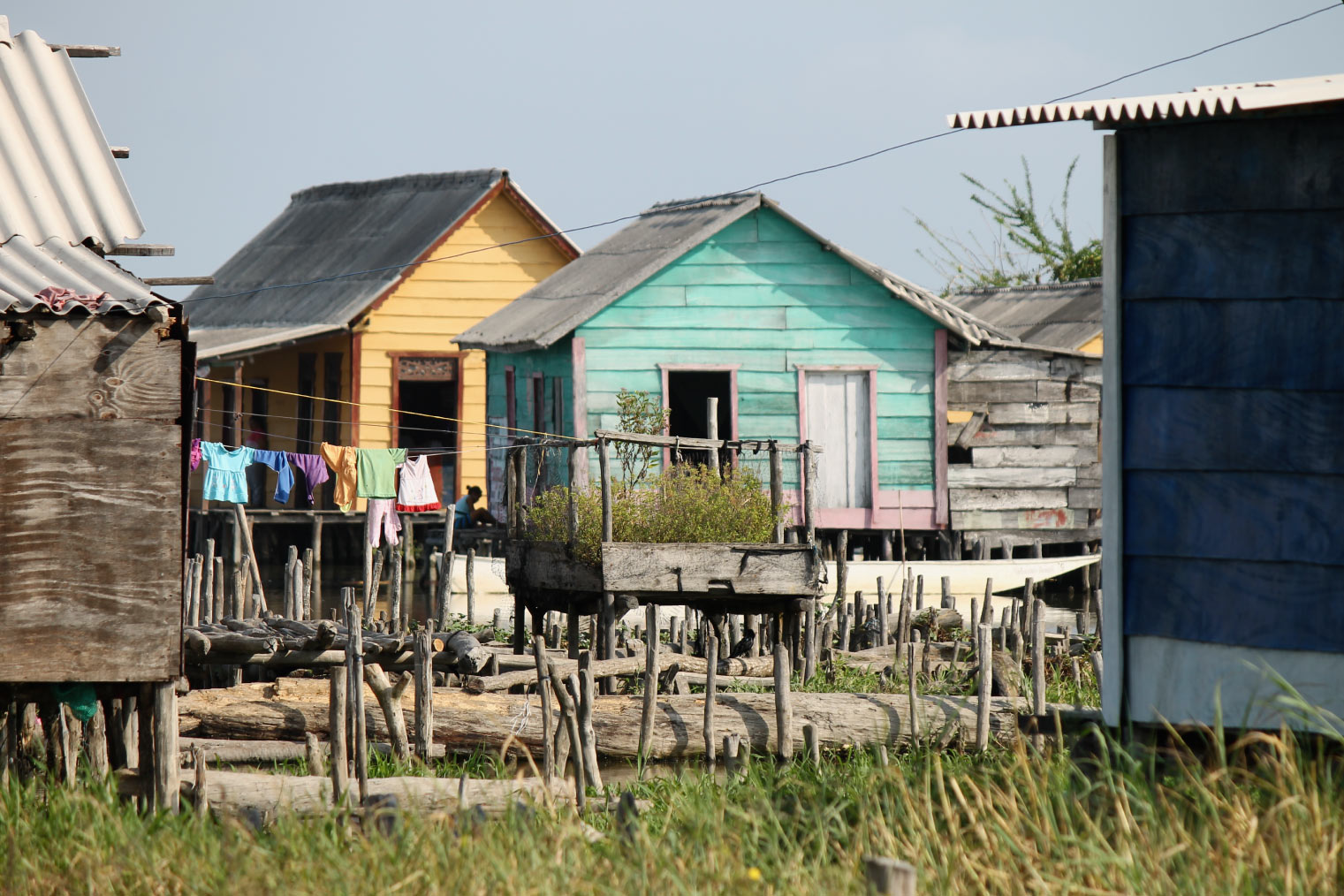
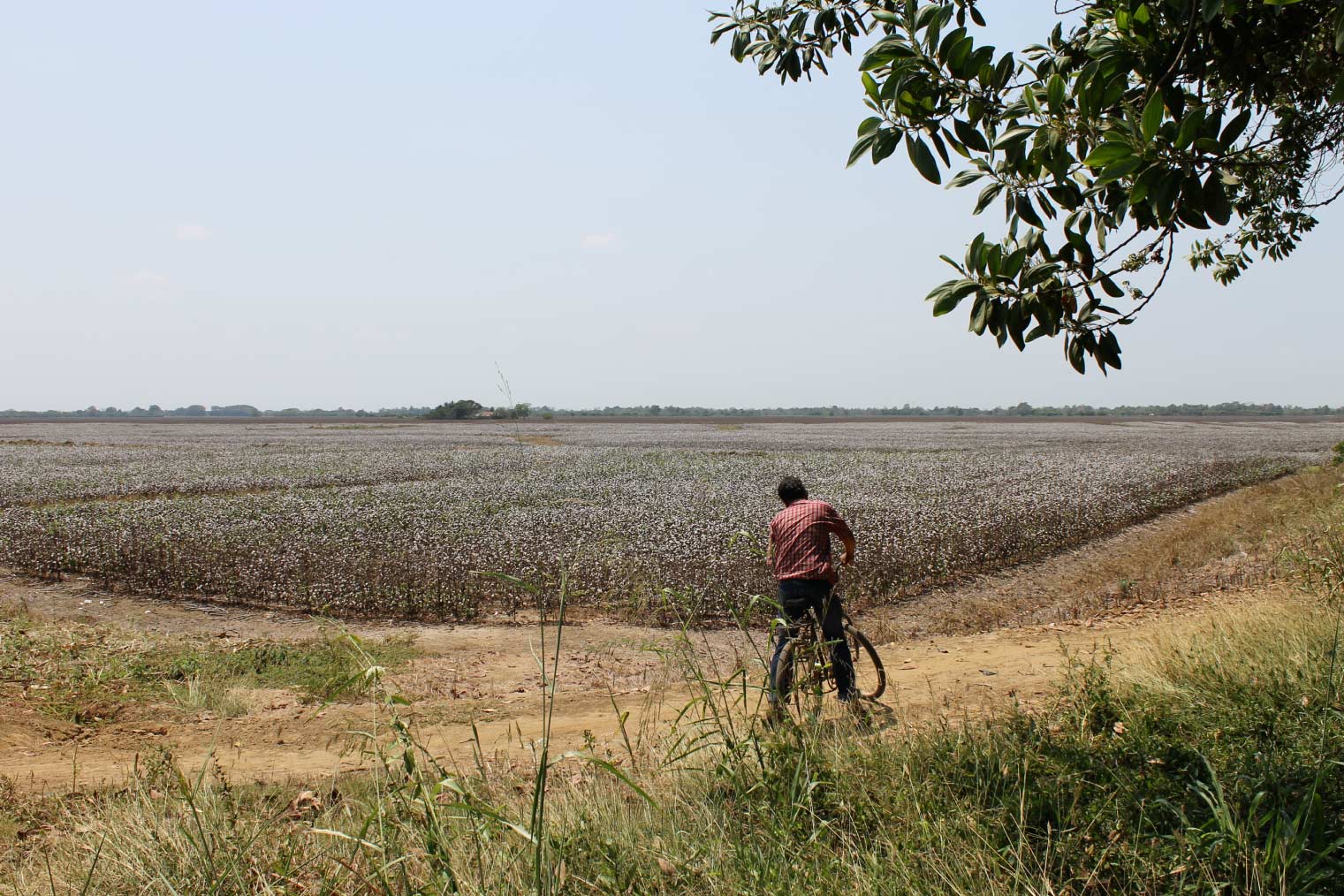
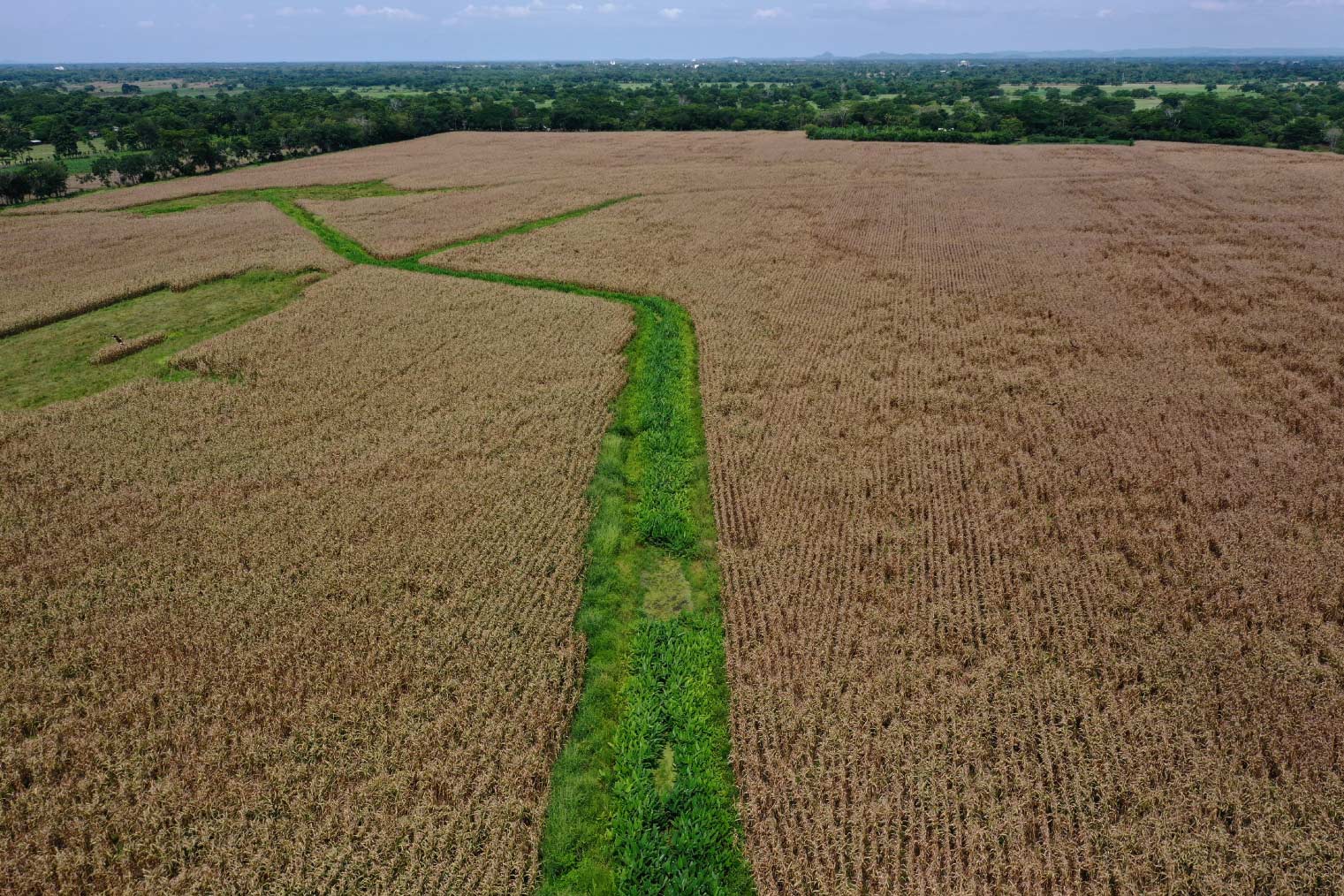
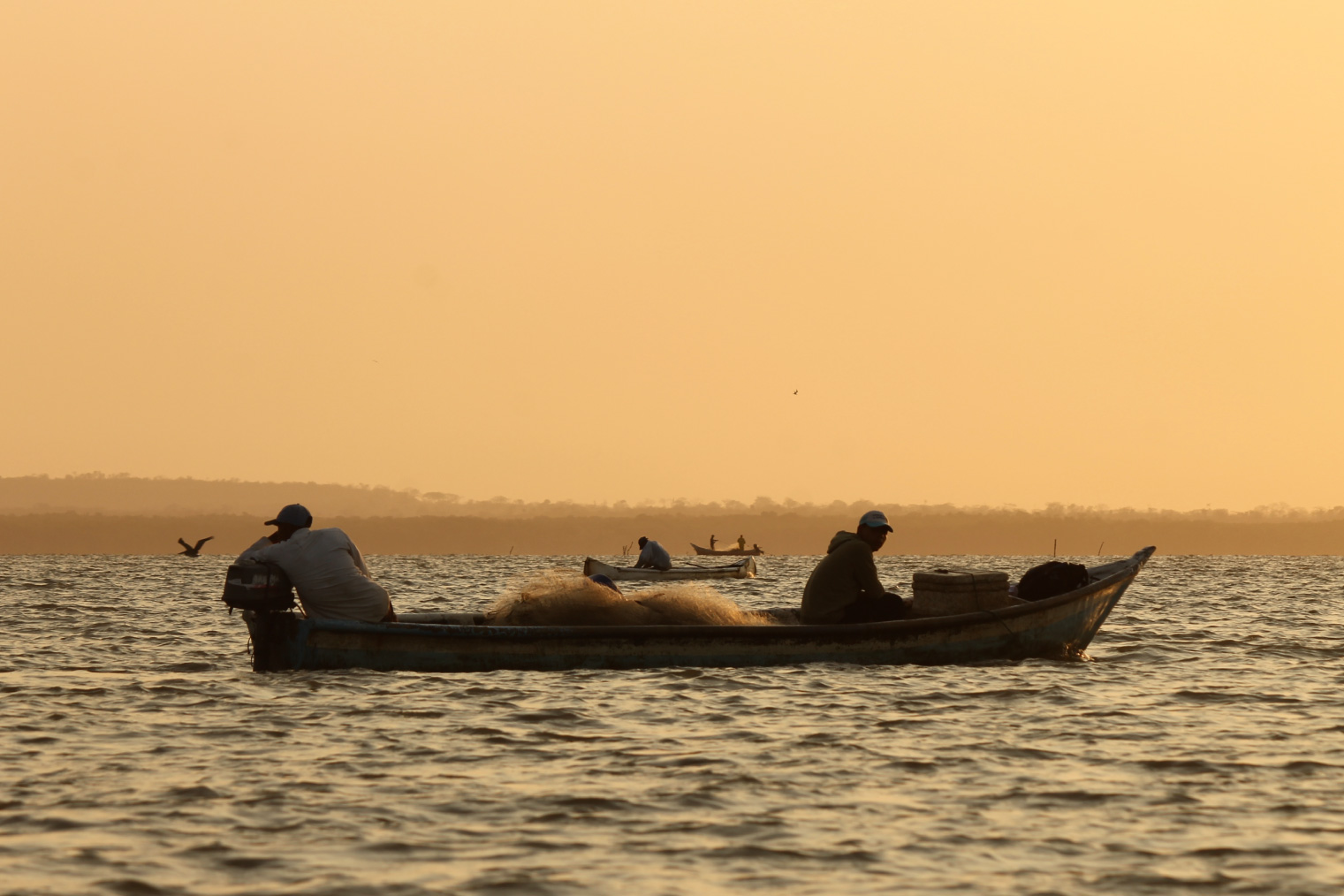
In many parts of the world, water and land are deeply intertwined, forming dynamic environments where the boundaries of these two elements become blurry. In these places, wetness is a predominant state of matter around which imaginations, expectations, and technologies take shape. This is the case, for instance, with mangroves, marshes, and floodplains. For decades, however, different actors have deemed wetness as undesirable, troublesome, and an obstacle to progress and development. These ideas have resulted in innumerable attempts to separate water from land through reclamation projects and other techno political undertakings. Whether successful or not, these interventions in the landscape have transformed social relations, ecologies, property relations, governance regimes, and livelihoods. The disruptive effects of eliminating wetness have triggered conflicts between different actors over the access, use, and ownership of those amphibious spaces. In response, different mechanisms of wetland conservation, multi species coexistence, and food sovereignty have emerged. I examine the politics of wetness as a window into broader reflections about the water-land nexus, the environmental history of agrarian development, amphibious anthropologies, and the political ecology of property in wetland areas.
Wet lands
In many parts of the world, water and land are deeply intertwined, forming dynamic environments where the boundaries of these two elements become blurry. In these places, wetness is a predominant state of matter around which imaginations, expectations, and technologies take shape. This is the case, for instance, with mangroves, marshes, and floodplains. For decades, however, different actors have deemed wetness as undesirable, troublesome, and an obstacle to progress and development. These ideas have resulted in innumerable attempts to separate water from land through reclamation projects and other techno political undertakings. Whether successful or not, these interventions in the landscape have transformed social relations, ecologies, property relations, governance regimes, and livelihoods. The disruptive effects of eliminating wetness have triggered injustices and conflicts between different actors over the access, use, and ownership of those amphibious spaces. In response, different mechanisms of wetland conservation, multi species coexistence, and food sovereignty have emerged. I examine the politics of wetness as a window into broader reflections about the water-land nexus, the environmental history of agrarian development, amphibious anthropologies, and the political ecology of property in wetland areas.
publications
Camargo, A. & Márquez, A.I. (2021). Antropología en el agua: pueblos pescadores y otros seres acuáticos en ríos, ciénagas y mares. In A. Camargo (Ed.) Antropología y naturaleza (pp. 79-104). Bogotá: Asociación colombiana de antropología.
View publication
Camargo, A. (2021). Stagnation: Waterflows and the Politics of Stranded Matter in La Mojana, Colombia. In F. Krause & M. Harris (Eds.) Delta life: exploring dynamic environments where rivers meet the sea (pp. 83-101). New York: Berghahn.
View publication
González‐Ayala, S. N., & Camargo, A. (2021). Voices of Water and Violence: Exhibition Making and the Blue Humanities for Transitional Justice. Curator: The Museum Journal, 64(1), 183-204.
View publication
publications
Camargo, A. & Márquez, A.I. (2021). Antropología en el agua: pueblos pescadores y otros seres acuáticos en ríos, ciénagas y mares. In A. Camargo (Ed.) Antropología y naturaleza (pp. 79-104). Bogotá: Asociación colombiana de antropología.
View publication
Camargo, A. (2021). Stagnation: Waterflows and the Politics of Stranded Matter in La Mojana, Colombia. In F. Krause & M. Harris (Eds.) Delta life: exploring dynamic environments where rivers meet the sea (pp. 83-101). New York: Berghahn.
View publication
González‐Ayala, S. N., & Camargo, A. (2021). Voices of Water and Violence: Exhibition Making and the Blue Humanities for Transitional Justice. Curator: The Museum Journal, 64(1), 183-204.