

Urban Waterscapes
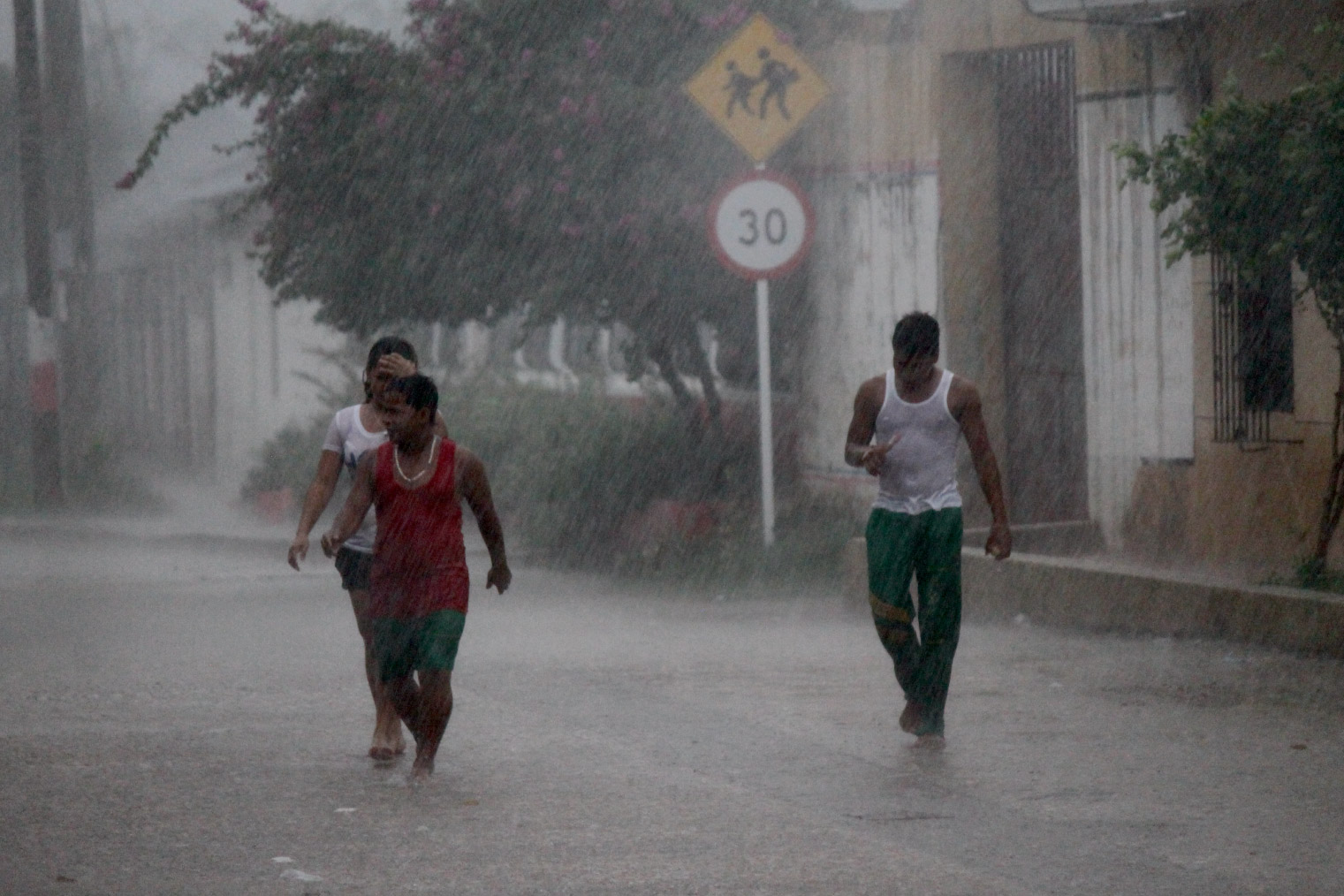
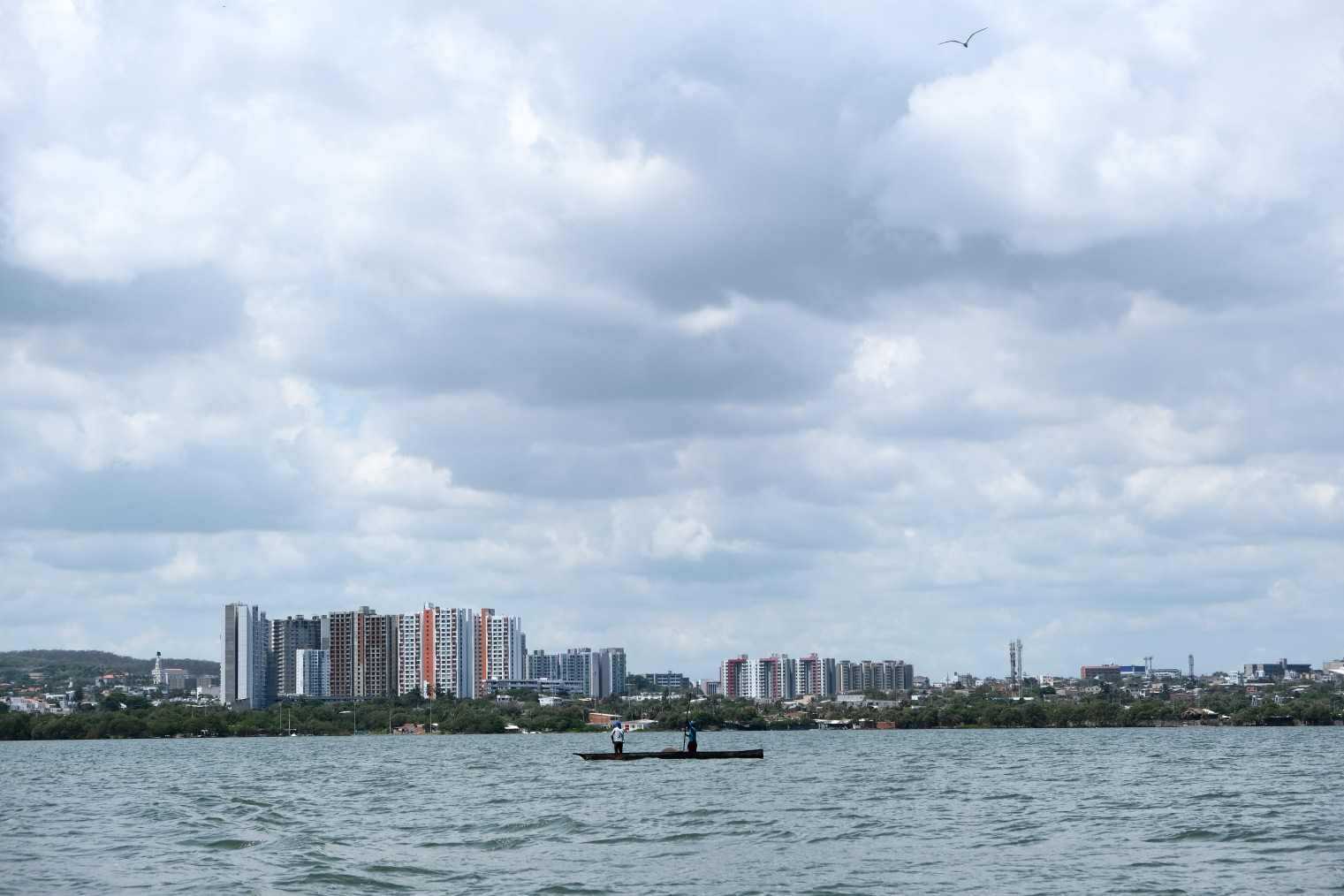
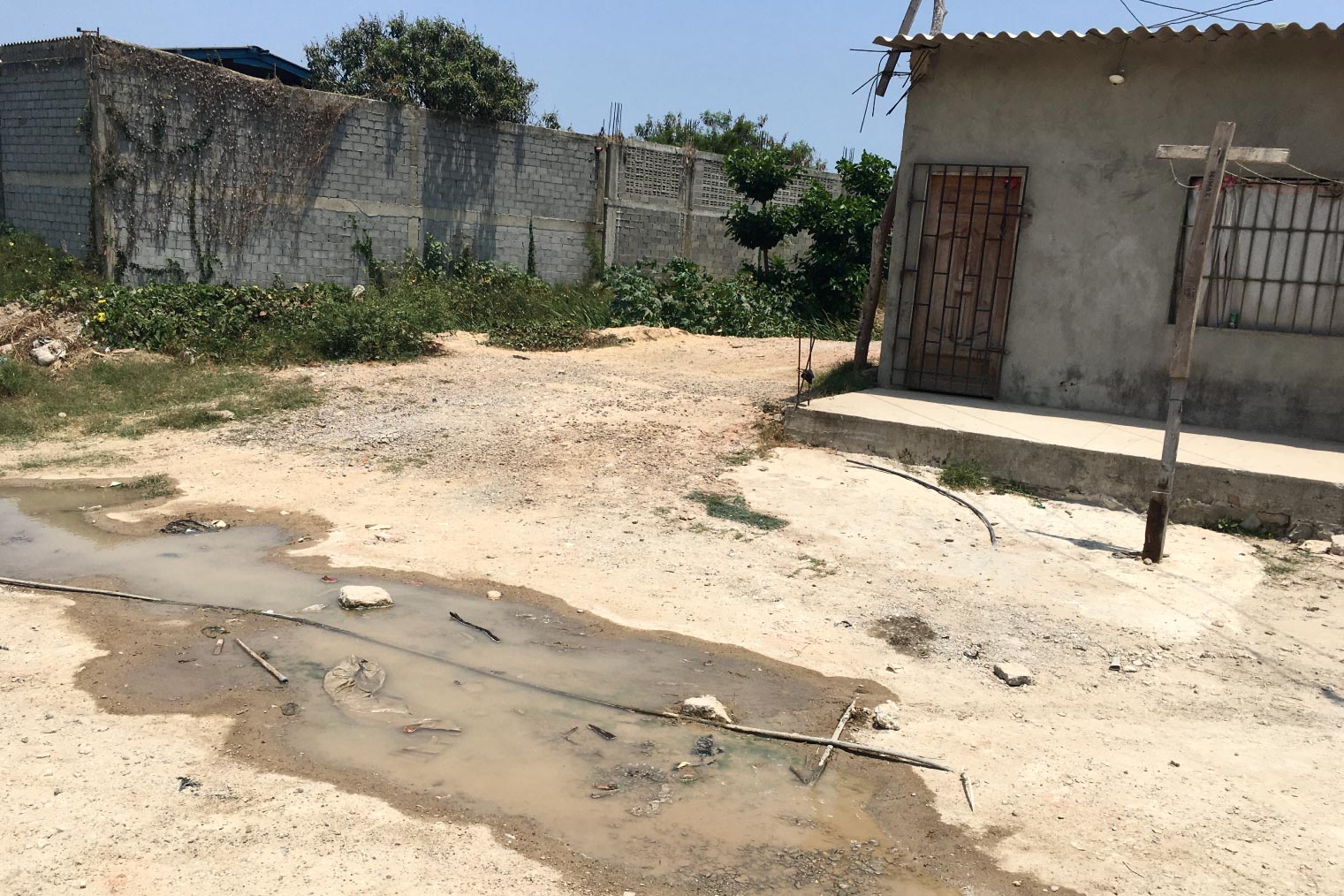
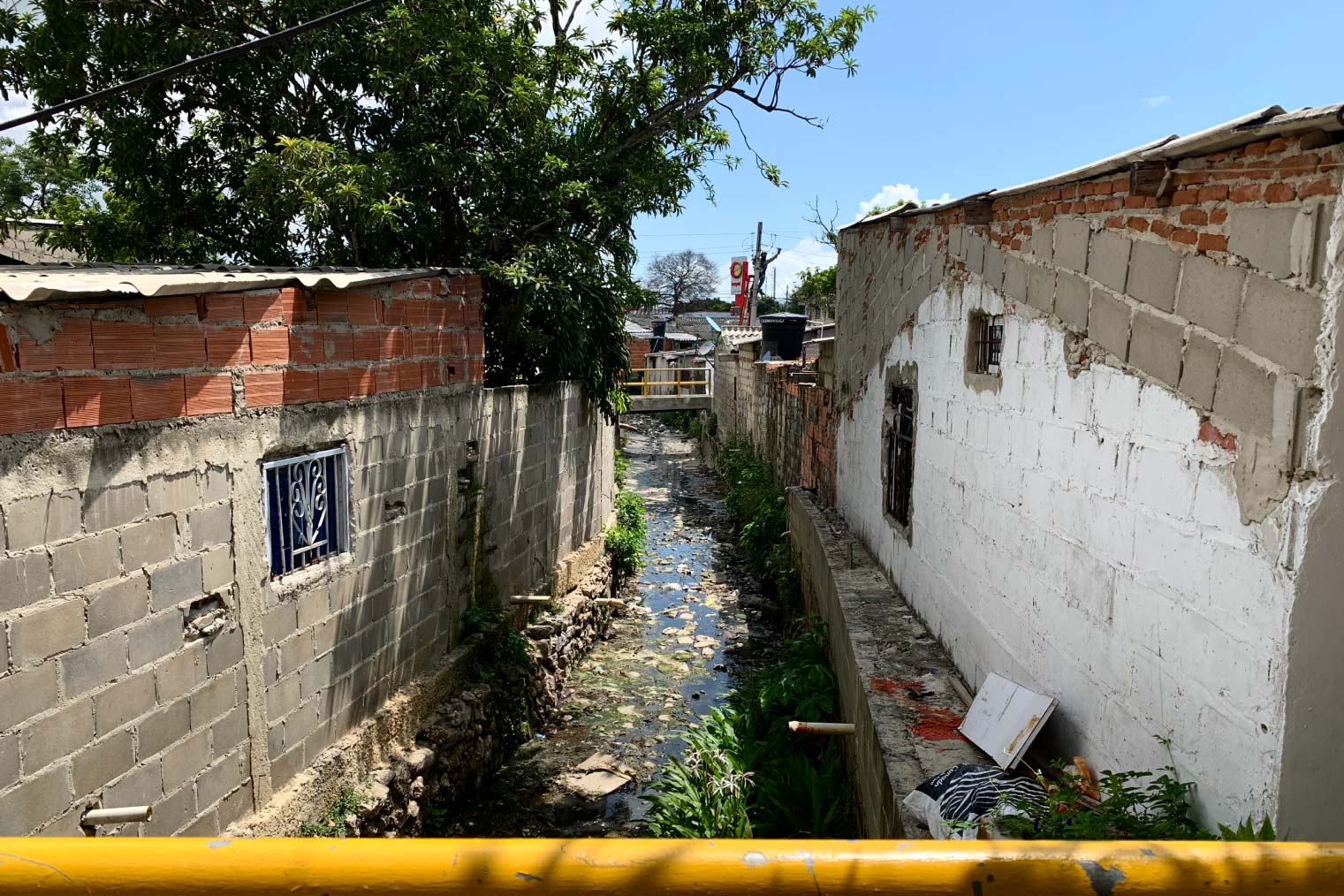
Rivers, wetlands, and other bodies of water have been crucial to the creation and development of urban spaces. Conversely, urban spaces have transformed bodies of water in dramatic ways through the demand for hydropower and sources of water, and also through the drainage of wetlands to make more urban land available. Urban spaces are also spaces where water is created through canals, storage and waste practices, wetland restoration initiatives, and green infrastructures. Yet we must also remember that the life of water in urban spaces is also about seepage, leakage, intermittence, stagnation, and flooding. Water may also become a space of pollution or a hospitable environment for the reproduction of bacteria and mosquitoes, thus creating the conditions for the proliferation of diseases such as dengue. These disturbances operate within an assemblage of different forms of inequality that make some people more vulnerable than others. In the face of these disruptions, urban dwellers often develop informal technical and infrastructural solutions as they mobilize to make water available and to make their neighborhoods and homes habitable. I am interested in how water disrupts the everyday life of urban settlements and how this disruption reflects social, political and environmental asymmetries.
Urban Waterscapes
publications
Rivera-Amarillo, C., & Camargo, A. (2020). Zika assemblages: women, populationism, and the geographies of epidemiological surveillance. Gender, Place & Culture, 27(3), 412-428.
View publication
publications
Rivera-Amarillo, C., & Camargo, A. (2020). Zika assemblages: women, populationism, and the geographies of epidemiological surveillance. Gender, Place & Culture, 27(3), 412-428.
View publication
Follow the Mosquito!
The Mosquito Project: a collaborative research at the intersection between water, health and gender
Go to website
Follow the Mosquito!
The Mosquito Project: a collaborative research at the intersection between water, health and gender